
How Noisy is a Radon Fan?
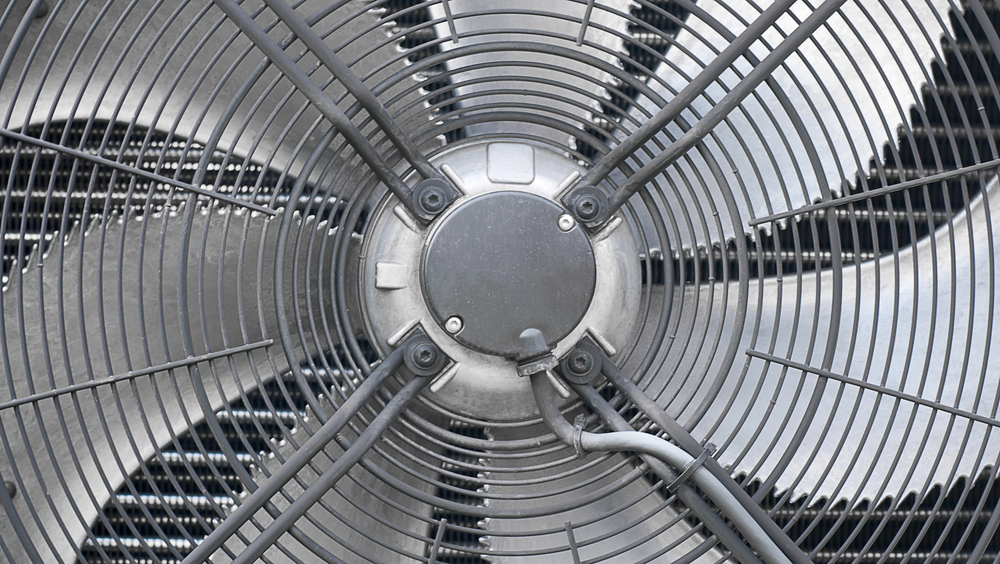
A properly installed radon fan is usually quiet. Most produce a low, steady hum that’s audible near the fan itself and faint or unnoticeable inside the living space, partly because national standards require the fan to sit outside the home’s living area, in an attic, on an exterior wall or in a garage that isn’t under living space. When a radon fan is loud, the cause is usually something specific: vibration traveling into the framing, air rushing through the pipe or exhaust, a fan that’s larger than the job needs, or a worn bearing. This article explains what’s normal, where noise comes from and how each type can be reduced without weakening the system.
What a radon fan sounds like when it’s working normally
A radon fan is an inline fan built to run around the clock. It pulls soil gas from beneath the foundation through a sealed PVC pipe and releases it above the roofline. Because it never shuts off, the sound is constant rather than cycling on and off like a furnace or air conditioner.
In a typical installation, homeowners describe a soft hum or whoosh when they stand near the fan or the exhaust outlet. Indoors, many don’t hear it at all, and others notice it only in a quiet bedroom at night or in the room closest to the pipe. How much you hear depends less on the fan model than on where and how it was installed.
Why fan placement makes the biggest difference
The ANSI/AARST standards that most certified mitigators follow don’t allow radon fans inside conditioned or occupied space, or in a basement, crawl space or enclosed garage that sits beneath living space. Approved locations are attics, the outside of the building and garages that aren’t under living space. The reason is safety. The pipe on the outlet side of the fan is under positive pressure, so a cracked joint there could push concentrated soil gas into the house. Keeping the fan outside the living area means any leak vents outdoors.
That rule also helps with noise. The same standards note that ventilated attics and building exteriors are preferred, and that fan location should take objectionable noise from vibration and exhaust air into account. If you’ve seen a radon fan mounted in a finished basement, that’s both a code issue and a common reason for noise complaints. Our article on exterior vs. interior radon pipe routing covers the trade-offs between attic and outside installations.
Attic installations
An attic fan is out of sight and protected from weather, and the pipe exits through the roof. Insulation and the ceiling between the fan and the rooms below absorb a lot of sound. Noise problems in attic installs usually come from the fan or pipe touching a rafter or joist, which lets vibration travel into the ceiling.
Exterior installations
A fan mounted on the outside wall keeps motor noise and vibration outside the house and is easy to reach for service. You may hear it on a patio or deck near the fan, or through an open window in the room closest to it. Pipe brackets fastened to the siding can also carry some vibration into the wall if they aren’t isolated.
Garage installations
A garage that isn’t below living space is an approved location. If a bedroom or office shares a wall with the garage, ask the installer to mount the fan on a different wall when possible.
The four common sources of radon fan noise
Building-science guidance on fan-assisted radon systems generally separates noise into the sound of the fan itself, turbulence created as air moves through pipes and fittings, and vibration that the fan transfers into the structure. In practice, there’s a fourth source homeowners notice: sound at the exhaust outlet.
Motor and fan noise
Every fan makes some sound from its motor and from air spinning through the housing. Pennsylvania mitigator and radon researcher Bill Brodhead notes that motor noise is closely related to fan wattage. Higher-powered fans that pull harder generally make more sound than low-wattage models.
Vibration transferred into the house
This is often the source of the hum people hear inside. Even a healthy fan vibrates slightly, and identical fans can vary in how much they vibrate. If the fan, the pipe or a pipe strap touches framing, drywall or siding, the vibration can turn the wall or ceiling into a sounding board. A low drone that seems to come from a wall, rather than from the pipe, usually points to vibration. Touching the drywall closest to the fan is a simple way to check.
Airflow through the pipe
Fast-moving air makes a rushing sound, especially at elbows and where pipe sizes change. If you hear a whoosh along an interior pipe chase or closet, airflow is the likely cause. Pipe insulation or a soundproofed chase can help in these spots.
Exhaust noise at the roofline
Air leaving the top of the pipe can produce a rushing sound that’s noticeable near upstairs windows, on a deck or in the yard. RadonAway’s installation instructions acknowledge that the outlet air can be disturbing in some cases and recommend an exhaust muffler.
Noises that may signal a problem
A steady hum is normal. A change in sound is worth paying attention to. Grinding, rattling, squealing or a new rhythmic thump can point to a worn bearing, debris in the housing or a loose mounting. Gurgling or sloshing can mean condensation is collecting in the pipe or fan rather than draining back down; the ANSI/AARST standard requires fans to be installed in a way that avoids condensation buildup in the housing.
Silence can be a warning sign too. EPA guidance calls for every active system to have a warning device, often a U-tube manometer on the pipe that shows suction. If the fan has gone quiet and the liquid levels in the manometer are even, the fan may have stopped and is no longer removing radon. Our radon contractor checklist lists what a complete installation should include.
How to make a noisy radon fan quieter
Most fixes are inexpensive, but they should keep the system’s airflow and suction intact. A quieter fan that no longer lowers radon defeats the purpose. Changes to fan size, pipe size or location are best handled by a certified radon mitigation professional and followed by a radon test.
- Isolate vibration. Radon fans connect to the pipe with flexible rubber couplings, and manufacturers sell couplings designed to absorb more vibration. Make sure neither the fan nor the pipe touches framing, and that pipe straps have some cushioning.
- Add an exhaust muffler. A muffler at the top of the pipe can reduce the rushing sound outdoors. Brodhead’s testing found mufflers help most with exhaust noise and don’t do much for motor noise or airflow sound inside the pipe. Mufflers also add some resistance, so the installer should confirm the system still performs.
- Insulate or enclose interior pipe runs. Wrapping pipe or enclosing it in an insulated chase reduces airflow noise in closets and finished spaces.
- Reconsider fan size. Brodhead has written that mitigators often use fans with more capacity than a home needs, and that lower-wattage fans succeed in a significant share of installations. If your system has strong suction and low radon results, ask whether a smaller, quieter fan could still meet the goal. A follow-up radon test is the only way to confirm it does.
- Relocate the fan. If the fan was installed in a basement or other prohibited location, moving it to the attic or exterior addresses both the noise and the safety issue.
- Replace a worn fan. A fan that has developed new grinding or rattling noises after years of service may be near the end of its life.
If you’re considering a new system and noise is a concern, raise it before installation. A good mitigator can explain where the fan will go, how they’ll isolate it and whether a lower-wattage fan is realistic for your foundation. Our guide to hiring a certified radon mitigator includes other questions to ask.
Don’t turn the fan off to stop the noise
It can be tempting to unplug a fan that’s bothering you, especially at night. A radon system only works while the fan runs. With the fan off, soil gas can enter the home again, and radon levels can climb back toward where they were before mitigation. Since radon causes no symptoms, you wouldn’t know without a new test. It’s better to fix the source of the noise than to switch the system off.
After any change to the fan, pipe or exhaust, retest to confirm the system still keeps radon low. The EPA recommends fixing homes at or above 4 pCi/L and considering action between 2 and 4 pCi/L. If a post-change test comes back higher than before, our article on what to do when a post-mitigation test fails walks through the next steps.
Frequently asked questions
Are radon fan noise ratings reliable?
Use them as rough guides. Fans are often rated in sones, a loudness scale where 2 sones sounds about twice as loud as 1 sone, or in decibels. Retail listings for the same model sometimes show different figures, and a rating measured in a lab doesn’t account for vibration, pipe layout or exhaust noise in your home. Installation quality usually matters more than a small difference between ratings.
Can I hear a radon fan from the bedroom?
Sometimes, especially in a quiet room near the attic fan, beneath the pipe or next to an exterior fan. Most of the time the sound is a faint hum. If it’s clearly audible or you can feel vibration in the wall or ceiling, the fan or pipe is probably touching the structure, and vibration isolation often helps.
Does a radon fan get louder in winter?
It can sound different. Cold air is denser, and frost or ice near the exhaust or condensation in the pipe can change the sound. Snow and ice can also restrict the exhaust. A new or louder noise in winter is worth checking, along with the manometer reading, to make sure the system isn’t blocked.
Is a radon fan louder than a bathroom exhaust fan?
It depends on the models and installation. The bigger difference is location: a bathroom fan sits in the ceiling of the room you’re in, while a radon fan must be in an attic, outside or in a garage that isn’t under living space. That distance is why many homeowners hear a radon fan less than a bathroom fan, even though it runs continuously.
Living with a radon fan
A radon fan should fade into the background. If yours doesn’t, the noise usually has a fixable cause, and the fix rarely requires sacrificing radon reduction. Start by identifying whether you’re hearing vibration, airflow or exhaust, ask your installer about isolation or a muffler, and retest after any change. If you’re still deciding on a system, you can connect with a certified radon mitigation professional and ask how they plan to keep the installation quiet.
Sources and further reading
- U.S. Environmental Protection Agency, Consumer’s Guide to Radon Reduction (fan location, warning devices, active soil depressurization).
- U.S. Environmental Protection Agency, A Citizen’s Guide to Radon (action levels, retesting).
- ANSI/AARST, SGM-SF Soil Gas Mitigation Standards for Existing Homes, Section 6.5 (fan locations, noise considerations, condensation).
- Building Research Establishment, Radon and Buildings: 2. Minimising Noise from Fan-Assisted Radon Sump Systems (fan, regenerated and vibration noise).
- Bill Brodhead, WPB Enterprises, Reducing Radon Fan or System Noise (wattage, vibration, muffler testing).
- Bill Brodhead, Low Wattage Radon Fans and Small Pipes (fan sizing).
- RadonAway, RP Series Fan Installation Instructions (exhaust noise and muffler).
This article is for general educational purposes. Changes to a radon mitigation system can affect how well it lowers radon, so consult a certified radon mitigation professional before modifying fans, piping or exhaust, and retest afterward. Long-term radon exposure causes lung cancer; reducing elevated radon lowers future exposure but doesn’t reverse exposure already received.