Radon Testing Requirements in New Mexico
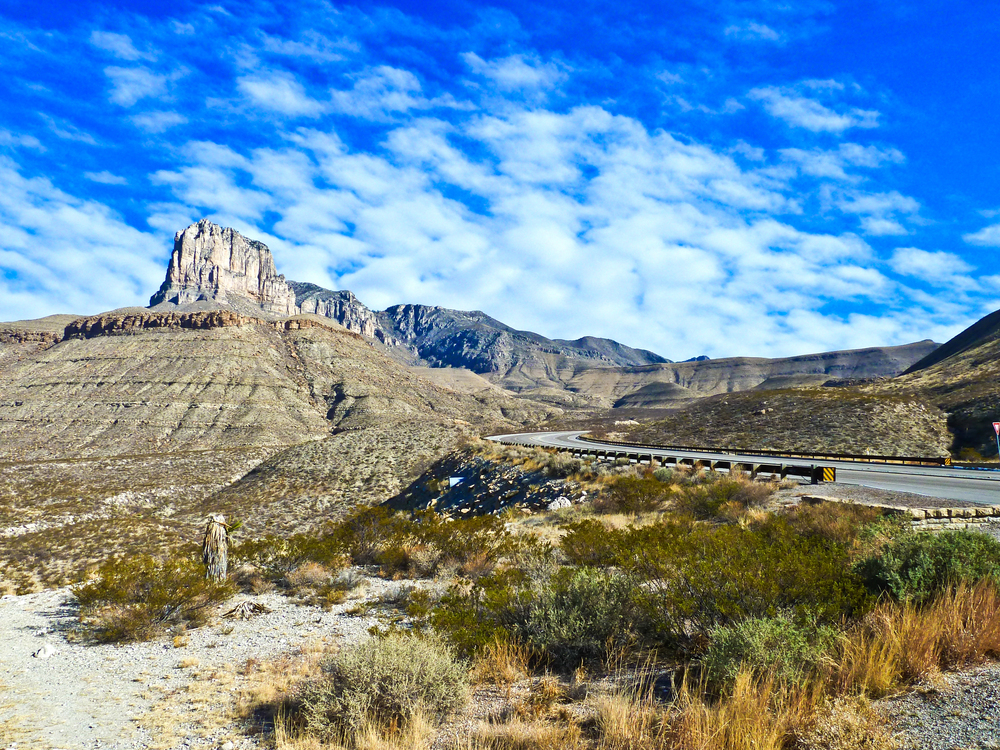
New Mexico doesn’t require radon testing for homes, home sales, rentals or schools, and it has no radon-specific disclosure law. The state also doesn’t license or certify radon testers and mitigators. Testing is voluntary, but the New Mexico Environment Department (NMED) reports that elevated radon has been found in every county, with higher levels common in the northern mountains and other high-altitude areas. This article explains what New Mexico requires, where radon comes up anyway during a home sale and how to get your home tested, often for free.
Is radon testing required in New Mexico?
No. We found no New Mexico law that requires homeowners, sellers, buyers, landlords or schools to test for radon. A New Mexico radon fact sheet published through the national radon program network states that the state has no enacted or pending radon legislation, and a 2024 Environmental Law Institute compilation of state radon laws lists no New Mexico entries. The state’s approach is education and free or discounted testing through NMED’s Indoor Radon Outreach Program, which is funded by an EPA grant.
No requirement doesn’t mean no risk. Radon is a radioactive gas that forms when uranium in soil and rock breaks down, and it can build up inside any type of home. The EPA recommends fixing homes at or above 4 pCi/L (picocuries per liter, the U.S. unit for radon) and considering action between 2 and 4 pCi/L. No level is considered completely safe, and long-term exposure causes lung cancer. Because radon varies from house to house, testing is the only way to know your home’s level. Our article on whether radon maps are useful or misleading explains why a county result can’t stand in for your own test.
Radon and New Mexico home sales
New Mexico’s statutes don’t require sellers to fill out a property condition disclosure, and they don’t mention radon. The state’s Real Estate Disclosure law mostly addresses what sellers don’t have to disclose, such as a natural death at the property. Other disclosures in a typical sale, such as a property tax estimate and the federal lead-based paint disclosure for pre-1978 homes, have nothing to do with radon.
In practice, most Realtor-assisted sales use a Seller’s Property Disclosure form from the New Mexico Association of Realtors. Sellers use it to describe known material defects, and it includes questions about environmental conditions. Whether a particular version of the form names radon isn’t something we could confirm, so check the form used in your transaction. Like most disclosure forms, it reflects what the seller actually knows. A seller who has never tested has no radon result to report.
Sellers who know about a problem and hide it can still face fraud or misrepresentation claims, and New Mexico Real Estate Commission rules hold brokers responsible for disclosing adverse material facts they actually know about. If you have a past elevated test or a radon system and aren’t sure how to describe it, a New Mexico real estate attorney can advise you.
Testing during a New Mexico home purchase
Because no one is required to test, a radon test during the inspection period is the most reliable way for a buyer to know what they’re buying. Radon testing often isn’t included in a standard home inspection, so ask for it specifically. A short-term test lasting a few days fits a typical inspection period, and many buyers use a certified radon measurement professional so the result is independent and harder to dispute. If the result comes back high, common outcomes include a price credit, a repair before closing or a holdback for mitigation. Our guide for real estate agents on radon covers how testing fits into a sale.
Rentals, schools and new construction in New Mexico
We found no New Mexico law requiring landlords to test rental units for radon or share radon results with tenants. Renters who want to know their level can test their unit themselves, ideally after talking with their landlord.
New Mexico also has no statewide requirement for radon testing in schools or child care facilities. Parents who want to know whether a school has been tested can ask the district directly.
For new homes, we found no statewide requirement for radon-resistant construction. Some local codes address radon. A 2021 presentation by the Greater Albuquerque Association of Realtors noted that Santa Fe’s green building code required radon details for additions that expand a building’s footprint. Check with your local building department for current rules. Some builders add radon-resistant features voluntarily, such as a gas-permeable layer under the slab and a passive vent pipe that can later be converted to an active system. Our article on radon-resistant new construction explains how those features work. Test any new home after you move in.
How to get a radon test in New Mexico
New Mexico residents have several options:
- Free NMED test kits. NMED distributes free short-term kits through its EPA-funded program. They’re seasonal, offered first come, first served, and ordered through an online form. Return postage is prepaid.
- Retail or discounted kits. Short-term kits are sold at hardware and home improvement stores and online.
- Professional testing. A certified radon measurement professional can run the test for you, which is common in real estate transactions.
NMED’s kit instructions call for a short-term test lasting three to seven days, with the kit mailed back right after it’s sealed. NMED recommends testing in winter, when windows and doors are usually closed and radon tends to run higher. Our guide to radon testing in winter vs. summer explains why.
For a valid result, place the test in the lowest lived-in level of your home, about 20 inches or more off the floor, away from drafts, heat sources, high humidity and exterior walls. Keep windows and exterior doors closed for at least 12 hours before the test and throughout it, except for normal entry and exit. Our article on where to place a radon test kit covers placement in detail, our radon test kit comparison covers kits and monitors and our explainer on what 4.0 pCi/L actually means helps with borderline results.
Radon readings reported in New Mexico
New Mexico homeowners have submitted 43 radon readings to RadonResources.com, from places including Santa Fe, El Prado, Taos, Edgewood, Albuquerque and Las Cruces. Of those, 41 were at or above 4 pCi/L, and the median reading was 7 pCi/L. That doesn’t describe New Mexico homes overall, because people with high results are more likely to look for information and share their number. It does show that elevated readings turn up in many parts of the state, not only the northern mountains. You can browse radon readings homeowners have reported or visit our New Mexico radon page for local professionals.
Hiring a radon professional in New Mexico
New Mexico doesn’t train, test, certify or license radon service providers, and NMED says the state has no certification program. NMED points residents to nationally certified professionals instead. Look for certification through the National Radon Proficiency Program (NRPP) or the National Radon Safety Board (NRSB). Without a state license to check, national certification is the best way to confirm a contractor has radon-specific training.
The most common fix for elevated radon is active soil depressurization, a vent pipe and fan system that draws radon from beneath the foundation and releases it above the roof. Sealing cracks helps the system work, but sealing alone is usually not a dependable fix for significantly elevated radon. After installation, a post-mitigation test confirms whether the system lowered the level. Our guide to hiring a certified radon mitigator and our radon contractor checklist list the questions to ask, and our article on what to do when a post-mitigation test fails covers the next steps if levels stay high.
Frequently asked questions
Do New Mexico sellers have to disclose radon?
No New Mexico law requires radon disclosure specifically. Most Realtor-assisted sales use a seller disclosure form covering known material defects and environmental conditions, and sellers who conceal a known problem can face legal claims. A seller who has never tested has nothing to report, so buyers who want a current number usually test during the inspection period.
How do I get a free radon test kit in New Mexico?
NMED offers free short-term kits through its Indoor Radon Outreach Program while supplies last, usually during the colder months. Order through the program’s online form. For questions, contact the program at [email protected] or (505) 476-8600.
Are some parts of New Mexico higher in radon than others?
NMED says high levels are common statewide and especially in northern mountainous and high-altitude areas, and that elevated radon has been found in every county. Area trends can’t predict an individual home, though. Two neighboring houses can test very differently, so test your own home wherever you live.
Do New Mexico landlords have to test for radon?
We found no New Mexico law requiring landlords to test rentals or disclose radon results. Tenants can test their own units with a free NMED kit or a store-bought kit. If a test comes back elevated, share the result with your landlord and ask about mitigation.
Testing is up to you in New Mexico
New Mexico leaves radon testing to homeowners, buyers and renters, while offering free kits through its state program. With elevated levels reported in every county, a test is a practical step for any New Mexico household, especially during the winter heating season. If you’d like help testing or addressing a high result, you can connect with a certified radon professional in New Mexico.
Sources and further reading
- New Mexico Environment Department, Radiation Control Bureau, Indoor Radon Outreach Program (free kits, statewide occurrence, no state certification program, contact information).
- New Mexico Environment Department, Radon Kit Forms.
- National Radon Program Services, New Mexico Radon Facts (no enacted or pending radon legislation).
- Environmental Law Institute, Database of State Indoor Air Quality Laws: Radon Excerpt (2024).
- New Mexico Statutes, Section 47-13-2 (Real Estate Disclosure; facts sellers need not disclose).
- Greater Albuquerque Association of Realtors, Radon in Real Estate (2021; state does not certify radon providers, local code example).
- U.S. Environmental Protection Agency, Home Buyer’s and Seller’s Guide to Radon (point-of-sale testing, action levels).
- RadonResources.com user-submitted radon readings (self-reported and not a representative sample).
This article is for general educational purposes and is not legal or medical advice. Laws and program details can change, and local rules may differ from state law. Consult a New Mexico real estate attorney for legal questions and a certified radon professional for testing or mitigation. Long-term radon exposure causes lung cancer; reducing elevated radon lowers future exposure but doesn’t reverse exposure already received.