Radon and Lung Cancer in Non-Smokers
Radon and Lung Cancer in Non-Smokers
Radon is the leading cause of lung cancer among people who have never smoked, according to EPA estimates. Of the roughly 21,000 U.S. lung cancer deaths the EPA attributes to radon each year, about 2,900 occur in people who never smoked. A non-smoker’s risk from radon is much lower than a smoker’s at the same level, but it isn’t zero, and it rises with the concentration and the number of years exposed. This article explains what the evidence shows, how large the risk is at common radon levels, what it can and can’t tell you about your own health and how to reduce your exposure.
How radon causes lung cancer
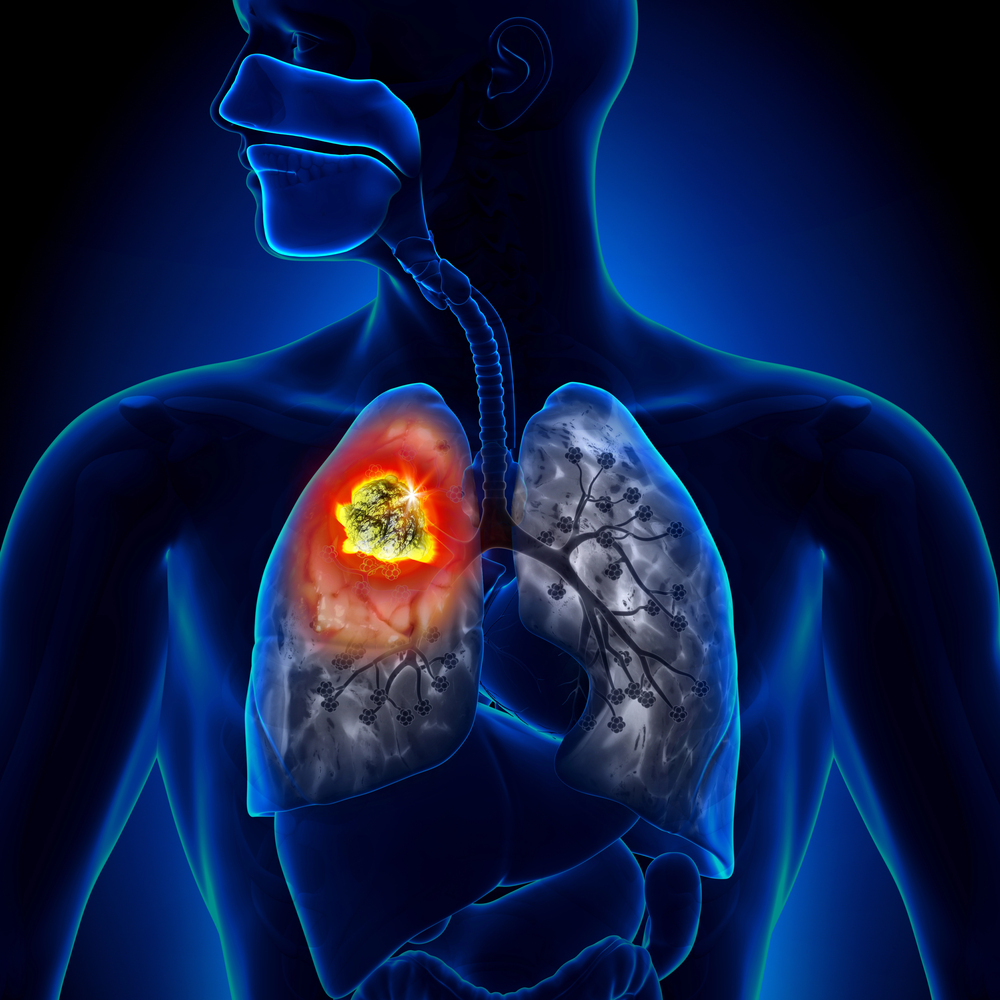
Radon is a radioactive gas that forms naturally from uranium in soil and rock and can build up indoors. When you breathe it in, radon and the short-lived radioactive particles it breaks down into can lodge in the lining of the lungs. As they decay, they release radiation that can damage the DNA in lung cells. Over many years, that damage can lead to cancer.
This process doesn’t depend on smoking. The link between radon and lung cancer is well established, first from studies of underground miners and later from studies of people exposed to radon in their homes. The EPA, the World Health Organization and the National Cancer Institute all classify radon as a cause of lung cancer.
What the evidence shows for people who never smoked
Lung cancer in people who have never smoked is more common than many people assume. A 2020 study led by researchers from the American Cancer Society and the CDC, which analyzed more than 129,000 lung cancer cases from cancer registries in seven states, found that about 12 percent of people newly diagnosed with lung cancer had never smoked. Radon is one of several known causes in this group, along with secondhand smoke, air pollution, workplace exposures such as asbestos, and genetic factors.
The strongest evidence on home radon comes from large pooled studies that combined data from many individual case-control studies in Europe, North America and China. These studies compared people with and without lung cancer and estimated their long-term radon exposure at home. Based on that body of research, the WHO states that lung cancer risk increases by about 16 percent for every 100 Bq/m³ increase in long-term average radon, or roughly every 2.7 pCi/L. The WHO assumes this relationship is linear, meaning risk rises steadily with exposure rather than starting at a particular threshold.
Case-control studies have limits. Radon exposure over decades has to be estimated from current measurements, and people move between homes. Researchers adjust for these issues, and the pooled findings are consistent with what was seen in miners. Health agencies regard the causal link as established, even though any single estimate of risk carries uncertainty.
How large is the risk for a non-smoker?
The EPA publishes lifetime risk estimates for people who have never smoked. If 1,000 never-smokers were exposed to a given radon level over a lifetime, the EPA estimates the following number could get lung cancer:
| Radon level (pCi/L) | Never-smokers (per 1,000) | Smokers (per 1,000) |
|---|---|---|
| 20 | About 36 | About 260 |
| 8 | About 15 | About 120 |
| 4 | About 7 | About 62 |
| 2 | About 4 | About 32 |
| 1.3 (average indoor level) | About 2 | About 20 |
Two things stand out. A non-smoker’s risk is far lower than a smoker’s at every level. And for non-smokers, the risk still roughly doubles each time the radon level doubles. The WHO estimates that smokers are about 25 times more at risk from radon than non-smokers, because the two exposures together damage the lungs much more than either alone.
These figures describe large groups of people over a lifetime of exposure. They can’t predict whether any one person will develop lung cancer. Individual risk depends on the radon level, how many years you’re exposed, how much time you spend at home and other factors such as secondhand smoke and family history.
Why non-smokers sometimes overlook radon
Many people who have never smoked assume lung cancer isn’t a concern for them. That can make radon easy to dismiss. Radon also doesn’t cause immediate symptoms, so there’s no warning sign that levels in a home are high. You can’t see, smell or taste it, and how you feel tells you nothing about your exposure.
Testing is the only way to know your home’s level. The EPA recommends fixing homes at or above 4 pCi/L and considering action between 2 and 4 pCi/L. No radon level is considered completely safe. For a non-smoker, those thresholds are the main way to keep a modest risk from becoming a larger one.
Testing and reducing radon in your home
A short-term test kit is an inexpensive first step. Place it in the lowest lived-in level of your home and keep windows and doors closed for at least 12 hours before and during the test. Our radon testing guide walks through the process, our article on where to place a radon test kit covers setup and our radon test kit comparison explains the options. If your result is near the action level, our article on what 4.0 pCi/L actually means explains how to interpret it.
If your home is elevated, the most common fix is active soil depressurization, a vent pipe and fan system that draws radon from beneath the foundation and releases it outside. Sealing cracks helps, but sealing alone usually doesn’t reliably lower significantly elevated radon. A post-mitigation test confirms whether the system worked. Our guide to hiring a certified radon mitigator covers what to look for in a contractor.
Reducing radon lowers your future exposure and the long-term risk tied to it. It can’t undo exposure you’ve already had, and it doesn’t guarantee any individual will avoid lung cancer. But it addresses the leading cause of lung cancer among non-smokers, and avoiding secondhand smoke reduces another major one.
Talking to your doctor
If you’ve lived for years in a home with high radon, it’s reasonable to mention that to your doctor, especially if you have symptoms such as a cough that won’t go away, chest pain or shortness of breath. Those symptoms have many causes and don’t mean you have lung cancer or that radon caused them. Current lung cancer screening recommendations are based mainly on age and smoking history, so whether screening makes sense for a non-smoker with past radon exposure is a decision to make with your doctor.
Frequently asked questions
Can radon cause lung cancer if you’ve never smoked?
Yes. Radon is the leading cause of lung cancer among people who have never smoked, according to the EPA, and is responsible for an estimated 2,900 deaths in this group each year in the United States. The risk is much lower than for smokers at the same radon level, but it increases with higher concentrations and longer exposure.
What radon level is dangerous for a non-smoker?
No radon level is considered completely risk-free. The EPA recommends fixing homes at or above 4 pCi/L and considering action between 2 and 4 pCi/L, and these guidelines apply to smokers and non-smokers alike. At 4 pCi/L, the EPA estimates about 7 in 1,000 never-smokers exposed over a lifetime could develop lung cancer.
Are non-smokers with lung cancer often exposed to radon?
Radon is one of several known causes of lung cancer in non-smokers. Others include secondhand smoke, air pollution, workplace exposures such as asbestos, and genetic factors. In many individual cases, the cause can’t be identified with certainty, so a lung cancer diagnosis in a non-smoker doesn’t by itself mean radon was involved.
Does living with a smoker increase my radon risk?
Secondhand smoke is a separate cause of lung cancer, and researchers believe tobacco smoke and radon together raise lung cancer risk more than either alone. Keeping your home smoke-free and testing for radon address two of the most significant lung cancer risks for people who don’t smoke.
Taking practical steps
For non-smokers, radon is the largest known lung cancer risk that a homeowner can measure and reduce. The risk at typical levels is modest, but it grows with time and concentration, and it’s preventable. A test tells you where your home stands. If you’d like to see what others nearby have measured, you can browse radon readings homeowners have reported, and if your result is elevated, you can connect with a certified radon professional to discuss your options.
Sources and further reading
- U.S. Environmental Protection Agency, Health Risk of Radon (deaths among never-smokers, leading cause among non-smokers, lifetime risk charts).
- World Health Organization, Radon and Health (16 percent increase per 100 Bq/m³, linear dose-response, smokers 25 times more at risk).
- American Cancer Society, More Than 12% of People Newly Diagnosed with Lung Cancer Never Smoked (2020 JAMA Oncology study, risk factors in never-smokers).
- National Cancer Institute, Radon and Cancer (radon as a cause of lung cancer, miner and residential studies).
- U.S. Environmental Protection Agency, A Citizen’s Guide to Radon (action levels, testing guidance).
This article is for general educational purposes and is not medical advice. It doesn’t diagnose any condition or predict individual risk. Radon exposure is one of several causes of lung cancer, and reducing radon lowers future exposure but doesn’t reverse exposure already received. If you have health concerns or symptoms, talk with a qualified healthcare provider.