Does a Radon Test Need to Be Done With the HVAC Off?
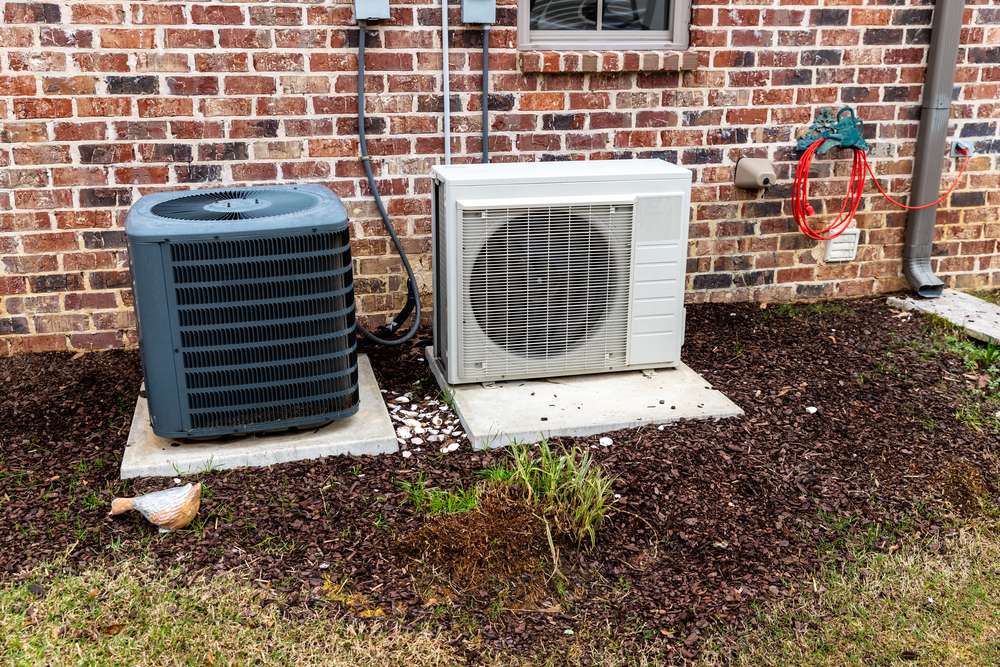
No. You should leave your heating and air conditioning running normally during a radon test. Radon testing protocols call for closed-house conditions, which means keeping windows and exterior doors closed. They don’t call for shutting off the furnace or central air, and turning them off can make the result less representative of how you actually live. A few kinds of equipment are different, mainly anything that pulls in outdoor air, such as whole-house fans, window fans and fireplaces. This article explains what to run, what to turn off and why it matters.
What the testing rules say about heating and cooling
State radon programs and the national ANSI/AARST protocol that certified testers follow agree on the basic rule: normal HVAC operation continues during a test.
- The Missouri Department of Health and Senior Services tells homeowners to “operate the home’s heating and cooling systems normally during the test.” Arkansas’s radon testing checklist uses the same wording.
- Pennsylvania’s radon testing regulations state that “normal operation of permanently installed HVAC systems must continue during closed-building conditions.”
- Massachusetts advises operating heating and air conditioning system fans that recirculate air during the test.
The key word is “normally.” The goal is a result that reflects your home as it’s usually lived in, not a house with its systems switched off or set in unusual ways.
Why turning off the HVAC can throw off a result
A radon test is supposed to estimate the radon you breathe under ordinary conditions. Heating and cooling equipment affects that in real ways. Heating drives the stack effect, where warm air rises and leaks out upstairs while replacement air, including soil gas, is drawn in near the foundation. Forced-air systems also move air between floors, which can spread basement radon upstairs or even it out. Our articles on why radon rises when you heat your house and whether radon comes from a furnace explain both effects.
Switching the system off during a test changes those pressures and air patterns, so the result may come out higher or lower than what you normally live with. That’s why the protocols ask you to leave things as they are rather than trying to create ideal or worst-case conditions.
What to keep running
- Your furnace, boiler or heat pump, set to a normal temperature.
- Central air conditioning, since it recirculates indoor air. Pennsylvania’s rules allow air conditioning systems that recycle interior air.
- A heat recovery or energy recovery ventilator (HRV or ERV), if one is permanently installed and normally runs. New Jersey’s testing guidance says normal operation of permanently installed air-to-air heat exchangers may continue.
- Your radon mitigation system, if you have one. Missouri says the system should run for at least 24 hours before a short-term test lasting less than four days and throughout the test.
- Small exhaust fans used briefly, such as a bathroom fan during a shower or a range hood while cooking. Missouri allows small exhaust fans operating for only short periods.
What to turn off or avoid
The common thread is equipment that brings in large amounts of outdoor air, adds unusual heat or blows directly on the test device.
- Whole-house fans and window fans. Missouri says not to run fans or other machines that bring in air from outside, and Pennsylvania’s rules prohibit whole-house fans during the test period and require portable window fans to be removed or sealed in place.
- Window air conditioners in fresh-air mode. Pennsylvania allows window units only in recirculation mode.
- Fireplaces and wood or coal stoves, unless they’re your home’s normal source of heat. Pennsylvania’s rules include that exception, and Massachusetts and Arkansas advise not using fireplaces and closing fireplace dampers.
- The HVAC fan on continuous “on.” Pennsylvania’s rules say air handling systems may not run continuously unless they’re used specifically for radon control. If you normally keep the fan on “auto,” leave it there.
- Airflow pointed at the test. Pennsylvania’s rules say fans, dehumidifiers, humidifiers, air filters and window air conditioners may not blow directly on the testing device.
Guidance on attic fans varies. Arkansas’s checklist says running an attic fan is okay, while New Jersey lists high-volume attic fans among air exchange systems not to run before or during a test. If you aren’t sure about a particular fan, follow your test kit’s instructions or ask a certified radon measurement professional.
Where to put the test relative to vents
Leaving the HVAC on doesn’t mean the test should sit in its path. Place the device away from supply registers, return vents, ceiling fans and doors that open often, as well as away from heat sources, high humidity and exterior walls. New Jersey’s guidance says to avoid areas with drafts from heating, ventilating and air conditioning vents. Our article on where to place a radon test kit covers placement in more detail.
Closed-house conditions, in brief
The rule that applies to every short-term test is closed-house conditions. Keep windows and exterior doors closed on every level, except for normal entry and exit, for at least 12 hours before the test begins and throughout it. Close fireplace dampers and outside vents that can be closed. The ANSI/AARST protocol says a short-term test shouldn’t be run if closed-building conditions can’t be maintained, and that a test should be rescheduled if keeping the house closed would create a health hazard.
Opening windows during a test can lower the reading or, in some cases, raise it, which makes the result unreliable. Our article on whether opening windows lowers radon explains why.
HVAC and radon tests during a home sale
In real estate testing, settings matter even more because the result can affect a negotiation. Sellers shouldn’t change the thermostat, turn systems off or run extra ventilation before or during a test. Pennsylvania requires testers to inspect and document closed-building conditions when they place and pick up devices. Professional continuous radon monitors record hourly readings and often temperature and pressure, which can reveal unusual changes during a test. Our guide for real estate agents on radon covers how testing usually fits into a sale.
Vacant homes deserve a quick check before testing. If the heat has been turned off or set very low to save money, ask the seller to bring the house to a normal living temperature before the closed-house period begins, and confirm any requirements with your tester.
Frequently asked questions
Should I turn off my furnace for a radon test in winter?
No. Keep it running at your normal temperature. Radon often runs higher during the heating season, which is one reason winter is a common time to test. A result taken with the heat running reflects the conditions you live in for much of the year. Our guide to radon testing in winter vs. summer explains the seasonal pattern.
Can I run central air conditioning during a summer radon test?
Yes. Central air recirculates indoor air, and state guidance allows it. Keep windows closed even if the weather is pleasant. If you use window air conditioners, set them to recirculate rather than draw in outdoor air.
What about my bathroom fan and clothes dryer?
Normal, short use is fine. Missouri allows small exhaust fans operating for only short periods. Avoid running exhaust fans continuously during the test, since sustained exhaust can increase the pressure that pulls soil gas into the house. Keep the test device away from laundry areas and bathrooms, where humidity can affect some devices.
Do I need to turn off my HRV or ERV?
Generally no, if it’s permanently installed and normally runs. New Jersey’s guidance says normal operation of permanently installed air-to-air heat exchangers may continue. Don’t turn it up to a higher setting than usual for the test. If you’re unsure how your system should be set, ask your tester.
Leave the house as you normally live in it
A radon test works best when your home is closed up but otherwise operating normally. Keep the heating and cooling running, leave a radon system on, and turn off anything that pulls in outdoor air or adds unusual heat. If your result comes back near the action level, our explainer on what 4.0 pCi/L actually means can help you decide on next steps, and our radon test kit comparison covers kits and monitors if you need a follow-up test. If you’d rather have a professional handle it, you can find a certified radon testing professional in your area.
Sources and further reading
- Pennsylvania Code, 25 Pa. Code § 240.310, Testing protocols (HVAC operation, air conditioning, window units, fans, fireplaces, mitigation systems, documentation).
- Missouri Department of Health and Senior Services, Radon Testing Instructions (heating and cooling, outdoor-air fans, small exhaust fans, mitigation system operation).
- New Jersey Department of Environmental Protection, Guidelines for Radon Testing in New Jersey (closed-house conditions, air exchange systems, heat exchangers, drafts).
- Arkansas Department of Health, Radon Testing Checklist (heating and cooling, fans, fireplace dampers).
- Massachusetts Department of Public Health, Testing Your Home for Radon.
- ANSI/AARST, MAH Protocol for Conducting Measurements of Radon and Radon Decay Products in Homes (closed-building conditions for short-term tests).
- U.S. Environmental Protection Agency, A Citizen’s Guide to Radon (closed-house conditions, action levels).
This article is for general educational purposes and is not medical advice. Testing requirements can vary by state and by test device, so follow your kit’s instructions or your tester’s protocol. Long-term radon exposure causes lung cancer; reducing elevated radon lowers future exposure but doesn’t reverse exposure already received.